CQI & VDA Supplier Audit Services | CQI-9, CQI-11, CQI-12, CQI-15, CQI-27 & VDA 6.3 | Resitech Solutions
Resitech Solutions provides CQI and VDA 6.3 second-party supplier audits, including CQI-9 heat treatment, CQI-11 plating, CQI-12 coating, CQI-15 welding and CQI-27 casting audits with annual supplier audit contracts.
Resitech Solutions provides independent Second-Party Supplier Audits for automotive manufacturers, Tier-1 suppliers, Tier-2 suppliers and special-process suppliers.
Our audit services cover major automotive special-process assessment requirements including:
CQI-9 | CQI-11 | CQI-12 | CQI-15 | CQI-27 | VDA 6.3
We conduct structured supplier assessments to evaluate process controls, identify potential risks, verify implementation of customer and process requirements, and provide practical improvement recommendations.
Whether you require a single supplier audit, annual supplier audit program, process-specific assessment, or yearly supplier audit contract, Resitech Solutions can support your organization with a systematic audit approach.
Our CQI & VDA Audit Services
CQI-9 Heat Treat System Assessment
CQI-11 Plating System Assessment
CQI-12 Coating System Assessment
CQI-15 Welding System Assessment
CQI-27 Casting System Assessment
VDA 6.3 Process Audit
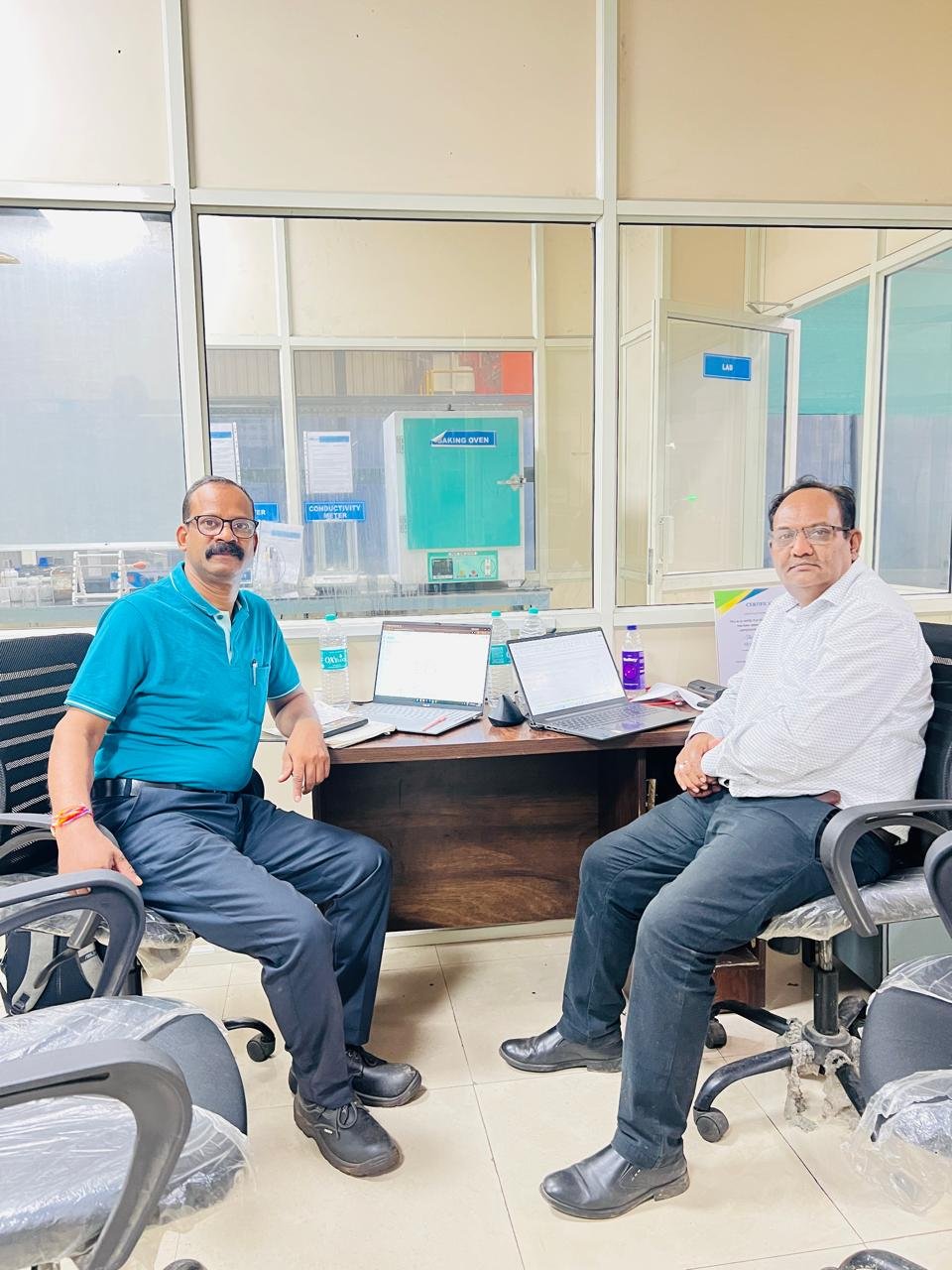
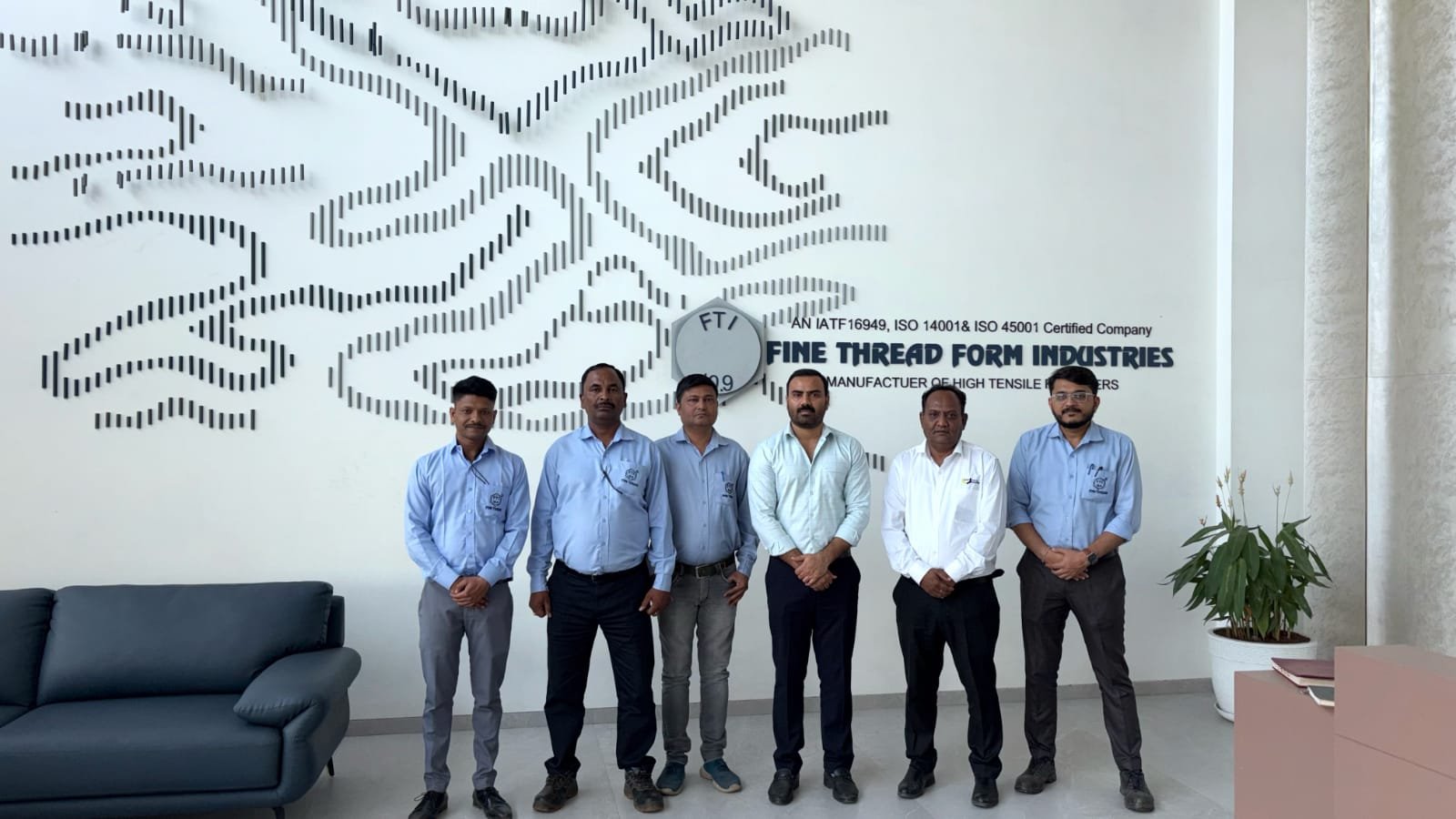
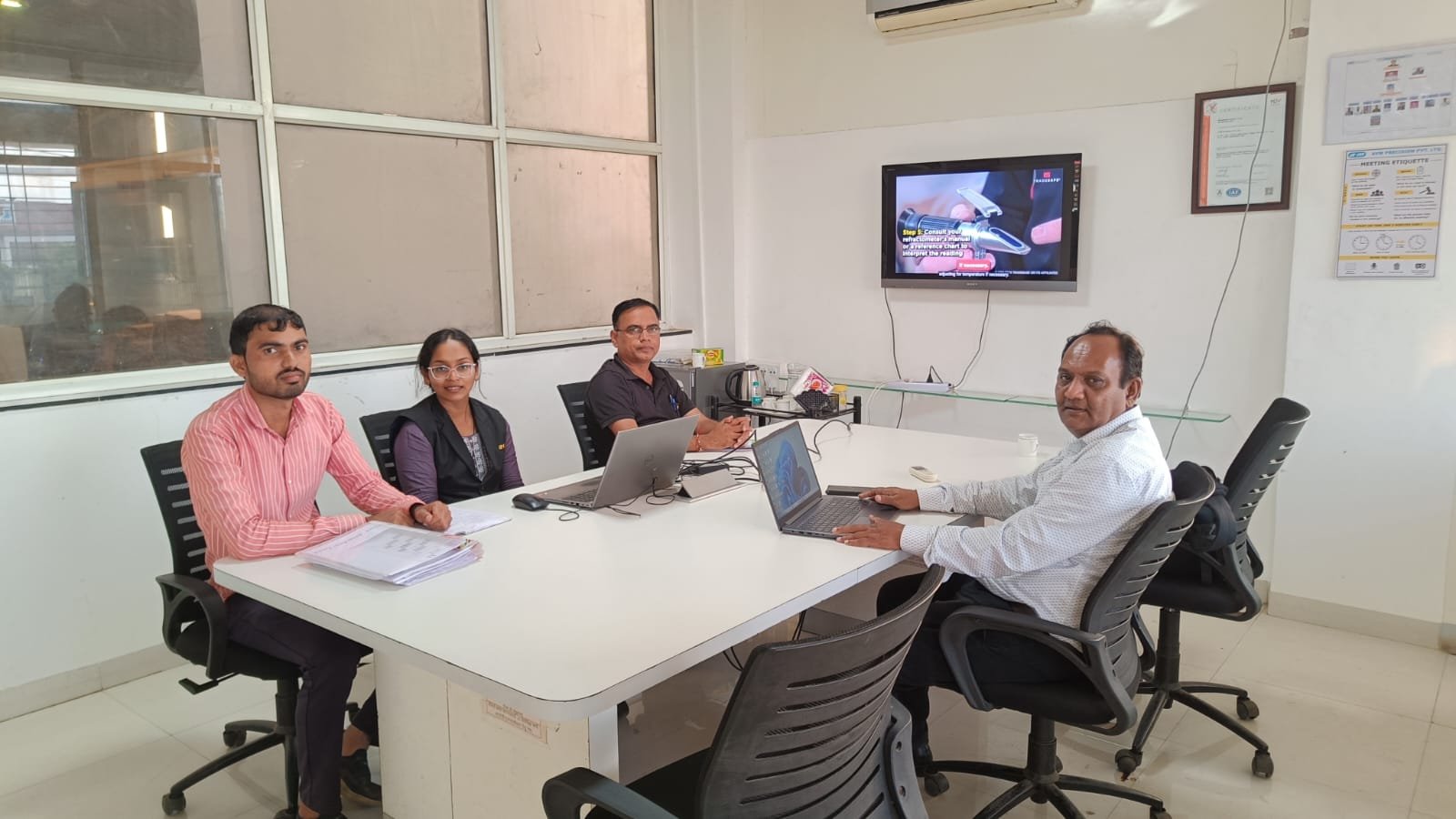
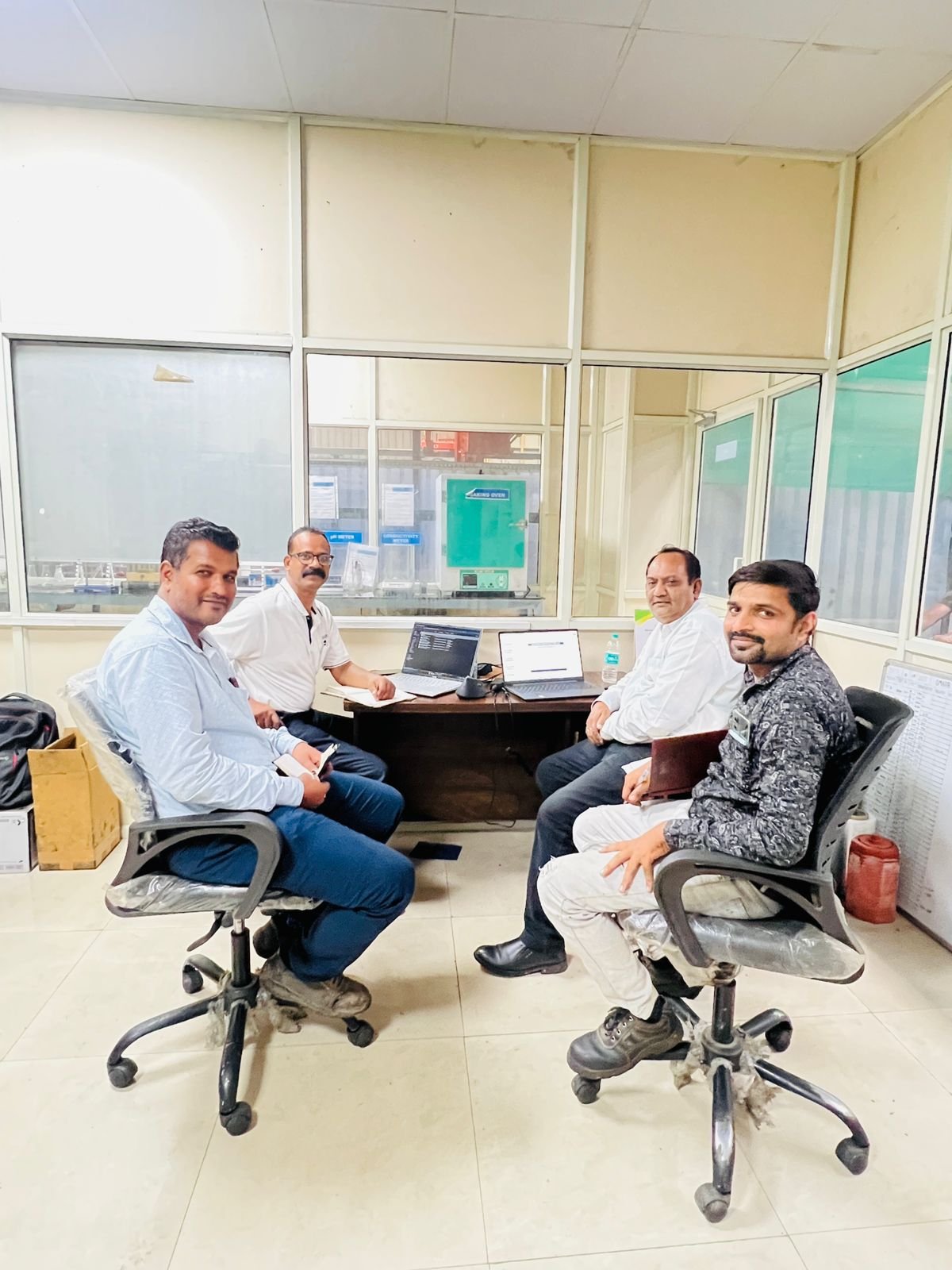
Our Recent CQI Audits
Our Supplier Audit Services Include
New Supplier Evaluation
Assessment of potential suppliers before supplier approval.
Supplier Qualification Audit
Evaluation of whether a supplier has the required systems, resources and process controls.
Process Audit
Detailed evaluation of a specific manufacturing process.
Special Process Audit
CQI-based assessment for critical special processes.
Supplier Performance Audit
Periodic evaluation of an existing supplier.
Problem-Solving / Follow-Up Audit
Verification of corrective actions after quality problems.
Re-Audit
Verification that previously identified gaps have been effectively addressed.
Our Audit Process
A Structured Approach From Planning to Closure
01 — Audit Requirement Review
We first understand:
> Customer requirements
> Supplier process
> Applicable CQI/VDA standard
> Product requirements
> Previous audit results
> Known quality issues
02 — Audit Planning
We define:
> Audit scope
> Audit criteria
> Audit duration
> Audit team
> Process areas
> Required documents
> Supplier contacts
03 — Opening Meeting
The audit begins with an opening discussion covering:
> Audit purpose
> ScopeMethodology
> Schedule
> Responsibilities
04 — Document Review
Relevant documentation is reviewed against the applicable audit requirements.
05 — Shop-Floor Assessment
We verify actual implementation at the manufacturing location.
This includes observation of:
> Production
> Equipment
> Operators
> Process controls
> Inspection
> Material handling
> Traceability
> Records
06 — Objective Evidence
Findings are based on objective evidence obtained through:
> Interviews
> Records
> Observation
> Measurements
> Documents
> Process verification
07 — Findings & Classification
Identified gaps are documented clearly so that the supplier can understand the issue and take appropriate corrective action.
08 — Closing Meeting
Audit findings are discussed with supplier management and responsible personnel.
09 — Audit Report
A formal audit report is prepared and submitted.
10 — Corrective Action Follow-Up
Where required, corrective actions are reviewed and effectiveness can be verified through follow-up assessment.
Frequently Asked Questions
What is a Second-Party Audit?
A second-party audit is an audit conducted by or on behalf of a customer to evaluate a supplier's processes, systems or performance against defined requirements.
Do you conduct CQI audits at supplier locations?
Yes. CQI assessments can be performed as on-site supplier audits according to the agreed scope and applicable requirements.
Do you provide annual supplier audit contracts?
Yes. We can develop a yearly supplier audit program covering multiple suppliers and applicable audit standards.
Do you provide an audit report?
Yes. Audit findings, objective evidence and identified improvement areas can be documented in a structured audit report.